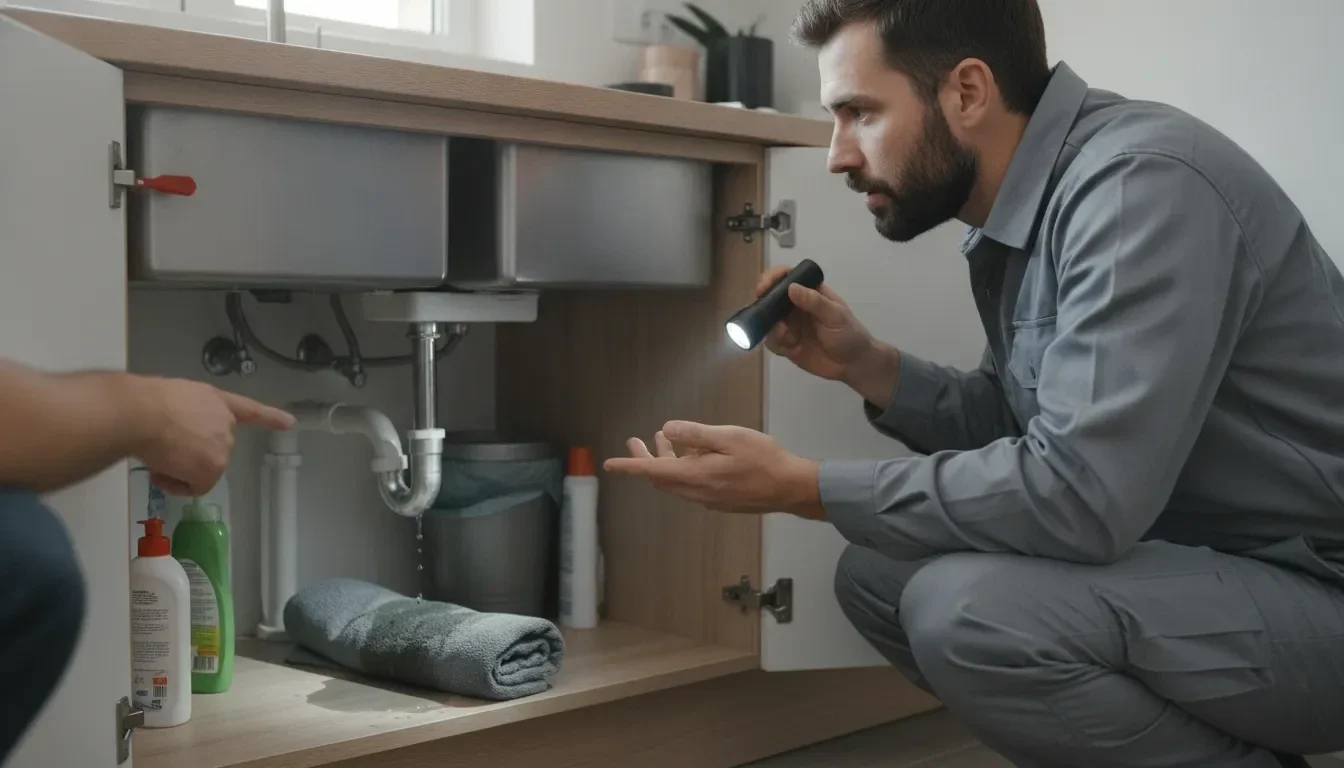
How to Repair Plumbing Leaks: Safe First Steps
A plumbing leak rarely starts at a convenient time. Before reaching for tape or a wrench, protect people first, stop the water if you can do so safely. And look for the leak's source without opening walls or disturbing electrical equipment. A careful first response can limit damage while you decide whether the problem is within your comfort level.
Knowing how to repair plumbing leaks starts with safe water shutoff and source identification, not a rushed patch. If water is uncontrolled, near electrical equipment, or coming from an inaccessible area, contain what you safely can and call a professional for guidance.
Pittsburgh Locks and More provides leak detection and repair, clog removal, and fixture installation for homes and businesses in Butler, Pittsburgh, and surrounding communities. Call 724-996-1463 for plumbing leak help or a free estimate. The next step is learning how to assess the area and shut down the supply without creating a new hazard.
How to Repair Plumbing Leaks Safely, Starting With the Source
Before you loosen a fitting or reach for a patch, determine where the water is coming from and whether the area is safe to enter. A drip beneath a sink, faucet, toilet, appliance, or exposed pipe may be a surface leak. Water showing on a ceiling, wall, or floor can point to a concealed problem. The visible wet spot may not be the true source, because water can travel along a pipe before appearing somewhere else.
Trace the water without making the damage worse
Start with a flashlight and a dry cloth. Follow the water upward when possible, checking faucet connections, supply lines, drain joints, toilet components, and the areas beneath appliances. Look for pooling, corrosion, damp building materials, or a musty smell. The U.S. Environmental Protection Agency identifies pooling beneath sinks and appliances as useful clues. And notes that moisture or mold on walls, ceilings, and floors can signal a hidden pipe leak. The EPA leak-detection checklist also recommends checking water-meter movement when no one is using water. A changing reading can help confirm that a leak exists, even when you cannot see it.
Do not open a wall, ceiling, or finished floor simply to chase a damp spot. If the source remains unclear, document what you see and move to safe containment. Hidden leaks often need professional leak detection to limit unnecessary damage.
Shut off water and check electrical hazards first
For a fixture leak, close the local shutoff valves if they are easy to reach and operate. If they are missing, stuck, or ineffective, use the home's main water shutoff. After the flow stops, open the affected faucet briefly to release remaining water from the line. Keep towels or a container nearby to catch residual drips, but do not treat this as a permanent repair.
Water and electricity require extra caution. If water is near outlets, wiring, panels, appliances, or other electrical equipment, do not step into standing water to reach a switch or use an electric tool. The CDC advises shutting power off at the main panel only when it can be done safely. And having a qualified electrician handle situations where equipment is wet or inaccessible. Review the CDC electrical-hazard guidance before taking action.
Uncontrolled flow, major flooding, continued leaking after shutoff, or a suspected leak behind finished surfaces is a clear reason to stop DIY work. Pittsburgh Locks and More provides plumbing leak detection and repair for residential and commercial customers in Butler, Pittsburgh, and surrounding communities. Call 724-996-1463 for help or a free estimate when safe triage is no longer enough.
What Should You Do Before Touching the Leak?
Before you ask how to repair plumbing leaks, make the area safe and stop the water if you can do so without exposing yourself to an electrical hazard. A small leak at a visible fitting may be manageable, but rushing toward a wet wall. Ceiling, appliance, or outlet can turn a plumbing problem into a serious safety risk.
Use this safety-first checklist
- Keep people away from the affected area. Move children and pets away from standing water, slippery flooring, sagging ceilings, and any exposed wiring or electrical equipment. Avoid stepping into water when you cannot see the floor beneath it.
- Shut off the water source if it is accessible. Close the fixture's supply valves for a sink, toilet, or appliance when those valves are easy to reach and operate. If the leak continues or the local valve will not close, use the home's main water shutoff only if you can reach it safely. Knowing where the master shutoff is can help limit damage when a pipe breaks. Do not force a stuck valve or reach through flowing water to operate it.
- Check for an electrical hazard before touching anything else. If water is near outlets, switches, wiring, panels, appliances, or other electrical equipment, do not touch the equipment or use an electric tool. The CDC advises against entering standing water to reach a main breaker. If power must be disconnected and the panel cannot be reached from a dry location, call a qualified electrician for help. Do not turn wet electrical equipment back on until it has been inspected. CDC electrical hazard guidance explains these precautions.
- Drain remaining water only from a dry, safe position. Once the water supply is off, open a nearby faucet if doing so does not bring you into contact with unsafe equipment. This may relieve remaining water in a line. Stop immediately if the flow increases, the source is unclear, or the line appears pressurized or damaged.
- Contain water without concealing the problem. Place a bucket, pan, or towels beneath a safe, visible drip. Protect nearby belongings by moving them to a dry area. Do not pull down a wet ceiling, open a wall, or remove flooring just to reach a suspected hidden pipe. Water can travel along a pipe and appear away from its source, so the visible spot may not identify the actual failure.
- Document what you see and decide whether to stop. Take photos from a dry location, note whether the flow is slowing, and look for damp walls, ceilings, floors, or musty areas. Uncontrolled water, major saturation, a leak that continues after shutoff, or uncertainty about the source calls for professional help rather than a rushed patch. Plumbing leak detection and repair can identify the cause while reducing the risk of further property damage.
These steps are for safe preparation and temporary containment, not a promise that every leak is suitable for DIY work. If you cannot safely isolate the water or electrical risk, leave the area and arrange qualified assistance.
Can a Temporary Patch Stop a Plumbing Leak?
Sometimes a temporary patch can slow or contain a small, accessible leak while you arrange a permanent repair. It is not a substitute for replacing damaged material, correcting a failed connection, or finding a leak that is hidden behind a wall or floor. The safest choice depends on the pipe material, leak size, water pressure, surface condition, and the product directions.
Compare the containment options carefully
Before applying anything, shut off the appropriate water supply if you can do so safely. Dry and clean the surface as the product requires. Do not apply a patch to a surface you cannot reach, a pipe that is moving or splitting, or a leak that continues to release water under pressure. A patch that appears secure at first can fail when water service is restored.
Temporary plumbing leak containment optionsOptionMay be suitable forImportant limitsSelf-fusing repair tapeSome small leaks on an accessible section where the tape can be wrapped tightly around the pipe.It needs the right material, clean contact surface, and enough room for proper wrapping. It is short-term containment, not a permanent repair.Epoxy puttySome small cracks or pinholes on clean, dry metal or plastic surfaces.It may not bond to wet, dirty, corroded, flexible, or heavily pressurized surfaces. Follow the product directions and curing time.Repair clampSome accessible damage on a straight, stable section of pipe.The clamp must match the pipe and damage. It may not work around fittings, bends, severe corrosion, or a larger split.No DIY patchLeaks near electrical equipment, uncontrolled flow, inaccessible pipes, major saturation, or uncertain damage.Trying to force a repair can increase water damage or create a safety hazard. Keep the water off and arrange professional help.
If you use a temporary method, restore water slowly and watch the area closely. Check nearby cabinets, walls, floors, and ceilings for renewed dampness because water can travel away from the original source. If the patch shifts, drips continue, or the leak returns, shut the water off again rather than adding layers of tape or putty. A professional leak detection and repair service can identify the underlying failure and recommend a lasting solution.
How Do You Limit Water Damage After a Leak?
Once the water is contained, shift your attention from the pipe to everything the water may have reached. Use towels, a wet-dry vacuum, or other suitable cleanup equipment to remove standing water when it is safe to do so. Avoid using electrical tools or appliances while standing in water. If water is near outlets, wiring, appliances, or other electrical equipment, do not enter the area to reach a breaker. The CDC advises avoiding contact with wet electrical equipment and having a qualified electrician inspect equipment before it is re-energized.
Move rugs, boxes, furniture, and other portable items away from the wet area. Check the backs and undersides of nearby materials, not just the spot where water first appeared. Water can travel along a pipe or building surface and show up some distance from the source. Look for damp flooring, swollen wood, soft drywall, discolored ceilings, or a musty smell. Do not cut into a wall or ceiling simply to search for moisture. Hidden leaks and moisture behind building materials may require professional assessment.
Document the condition before extensive cleanup. Take clear photographs or video of the leak, shutoff position, affected rooms, visible damage, and any damaged belongings. Note when you found the problem and what actions you took. This record can help you explain the situation to a plumber, property manager, or insurer. Keep receipts for reasonable cleanup supplies if they apply to your situation.
After a temporary containment measure or repair, restore water cautiously rather than opening the supply all at once. Open the shutoff gradually and watch the repaired area, nearby connections, floors, walls, and ceilings. Check again after a short period of use. If water returns, the patch shifts, or dampness continues, shut the supply back off and stop testing. A temporary patch is not proof that the underlying repair is complete.
Call 724-996-1463 for plumbing leak help or a free estimate.
Pittsburgh Locks and More provides leak detection and repair as part of its handyman services for residential and commercial customers. If you cannot identify the source, cannot dry the area safely. Or remain unsure whether water is hidden beneath a surface, getting practical help is safer than repeatedly disturbing the damaged area.
When Is a Plumbing Leak a Job for a Professional?
A small, visible drip may be manageable as a temporary containment issue, but some leaks should not become a do-it-yourself repair project. Call for professional help when the water will not stop, the source is hidden, or the conditions around the leak create a safety risk. Trying to reach a pipe behind a wall, ceiling, cabinet, or finished floor can cause more damage when the actual source is somewhere else. Water can travel along a pipe before appearing in a different location, so the wettest spot is not always the point of failure.
Red flags that call for help
- Water continues after shutoff. If a fixture valve or main supply has been closed and water is still flowing, do not keep dismantling fittings to find the reason. A failed valve, pressurized line, or separate supply may be involved.
- The leak is inaccessible or pressurized. A leak inside a wall, ceiling, crawl space, or other difficult area is not a good place to experiment. Pressurized failures can quickly overwhelm a patch and send water into surrounding materials.
- There is major saturation. Pooling, sagging materials, soaked flooring, or water spreading through a ceiling or wall indicate that containment alone may not be enough. Damp or moldy-looking areas can point to a hidden pipe leak that needs professional attention. EPA leak guidance also identifies moisture or mold on walls, ceilings, and floors as a reason to seek professional help.
- Water is near electrical equipment. Do not step into standing water to reach a breaker, use electric tools while standing in water, or handle wet electrical equipment. The CDC advises that wet equipment should not be re-energized until it has been inspected by a qualified electrician. Read the CDC electrical safety guidance before taking any action around water and electricity.
- You are not sure what you are seeing. Uncertainty is a valid reason to stop. A repair that looks like a loose connection may involve corrosion, a damaged supply line, a concealed leak, or pressure that a basic patch cannot safely handle.
Choose a repair that protects the property
Professional help is especially useful when the goal is to identify the source before opening walls or replacing parts. Pittsburgh Locks and More lists leak detection and repair, clog removal, and fixture installation among its plumbing services for residential and commercial customers. The team can help homeowners move from short-term water containment to a more appropriate repair plan, rather than relying on a patch that fails later.
For homeowners comparing options beyond this step-by-step guide, see these professional plumbing repair options. Pittsburgh Locks and More is based in Butler and serves surrounding communities, including plumbing repairs in Pittsburgh and Butler. Have the water source contained only as far as it is safe to do so.
Call 724-996-1463 for plumbing leak help or a free estimate.
How Can Homeowners Reduce Future Leak Risk?
Prevention starts with noticing small changes before they become visible damage. A quick inspection does not replace professional plumbing repair, but it can help you identify a developing problem and decide when to schedule help.
Build a simple inspection habit
Every few weeks, look beneath sinks and around exposed pipe connections. Check for moisture on the outside of faucet fittings, pooling water, rust around joints, or damp cabinet surfaces. The EPA identifies pipe connections, faucets, showerheads, appliances, water heaters, and toilet flappers as common places to look for leaks. Its household leak checklist can help you work through those areas.
Do not limit the inspection to plumbing that is easy to see. Look for damp spots, musty odors, discoloration, or mold-like growth on floors, ceilings, and walls. Water can travel along a pipe and appear some distance from the actual source, so the visible mark may not identify the failing connection. Repeated moisture deserves attention even when the area dries between inspections.
Protect vulnerable areas and monitor changes
Know where the home's main water shutoff is, and make sure household members can reach it. A water meter check can also reveal a hidden leak: turn off taps and water-using appliances. Record the meter reading, and check it again after a period when no water should be running. A change suggests that water is still moving through the system. The EPA recommends this type of monitoring as part of leak detection.
In cold areas such as basements, crawl spaces, and attics, exposed water pipes may need protection from freezing. Indiana's utility consumer guidance recommends insulating exposed pipes in those locations. Do not use an open flame or torch to thaw a frozen pipe. If you notice recurring dampness, a water heater drip, a malfunctioning supply line, or moisture inside a wall. Schedule professional help rather than repeatedly drying the surface and hoping it stays resolved. Pittsburgh Locks and More provides leak detection and plumbing repair for residential and commercial customers in Butler, Pittsburgh, and surrounding Pennsylvania communities.
Frequently Asked Questions
What should I do before attempting any repair?
Shut off the nearest fixture valve or the main water supply, then confirm that the flow has stopped. Keep clear of standing water near outlets, appliances, or electrical equipment. Cut power to a wet area only if you can do so without stepping into water or touching unsafe equipment. If water continues, flooding is substantial, or the leak is near electrical equipment, stop and seek professional help.
Can I use tape, putty, or a clamp to stop a small leak?
These materials may provide temporary containment for some accessible leaks, but the right option depends on the pipe material, leak size, water pressure, and surface condition. Follow the product directions and treat any patch as a short-term measure, not a permanent repair. A damaged, pressurized, or hard-to-reach pipe is not a good candidate for an improvised fix.
When is a plumbing leak an emergency?
Call for professional help when water will not stop after shutoff, a pipe has failed under pressure. Major areas are becoming saturated, or the leak is hidden behind a wall, ceiling, or floor. Act promptly because trapped moisture can worsen building damage and create conditions that support mold growth. Do not take apart materials or equipment if doing so could expose you to electrical or structural hazards.
How should I restore water after a temporary repair?
Restore the water slowly while watching the repaired area closely. Check nearby surfaces for renewed leaking, dampness, or water traveling into a wall, ceiling, or floor. If the patch shifts or moisture returns, shut the water off again and arrange a permanent repair rather than repeatedly tightening or covering the same leak.
Ready to Get Help With a Plumbing Leak?
Safe first steps can limit damage, but a leak that continues, spreads into walls or floors, or remains difficult to reach may need professional attention. Pittsburgh Locks and More can help homeowners in Pittsburgh, Butler, and surrounding communities with plumbing leak detection, repair help, or a free estimate. Call Pittsburgh Locks and More at 724-996-1463 to discuss the situation and choose a practical next step.