Types of Residential Door Locks: Choosing the Right Fit for Your Home
Choosing among the types of residential door locks is easier when you start with the door's purpose. An exterior entry door needs a different setup from a bedroom, bathroom, closet, or gate. The right choice depends on where the lock will be used, how the door is built, who needs access, and how much upkeep you are comfortable with.
Call 724-996-1463 for locksmith help or a free estimate.
This guide explains common residential lock styles, what each is designed to do, and what to consider before installing one. It is not a product ranking: hardware compatibility and installation details vary from door to door. If you are uncertain about fit, a locksmith can inspect the door and explain practical options.
What should you consider before choosing a lock?
First, identify the door's role. A main entrance, side door, and door between a garage and living space generally need a stronger locking arrangement than an interior passage door. A bathroom may need privacy from the inside, while a closet may need no lock at all. Avoid choosing hardware based only on appearance or the word "secure" on packaging.
- Door location: Decide whether the door is an exterior entrance, an interior room, or a secondary barrier.
- Door construction: Door thickness, material, edge preparation, existing holes, frame condition, and available space affect compatibility.
- How it is used: Consider who uses the door, how often it is opened, and whether a key, thumb turn, or simple latch is practical.
- Safe operation: Make sure occupants can operate the lock without confusion, especially on frequently used exit doors.
- Upkeep: Moving parts can need cleaning, adjustment, or attention if the door shifts or the latch no longer lines up.
Look at the door and frame as a system. A strong lock cannot make a loose, damaged, or poorly aligned door work properly. If a key sticks or the door must be lifted or pushed hard to latch, address that problem rather than forcing the hardware.
Which types of residential door locks are most common?
Residential hardware includes several distinct categories. Some provide a locking function, some only latch the door, and some are intended mainly for privacy. Those jobs are not interchangeable. The list gives a starting point; the correct choice still depends on the particular door and installation.
Common residential lock types at a glance
- Deadbolt: Common on exterior entry doors. It provides a separate locking bolt and is commonly paired with a latch set. It needs compatible door and frame preparation; check bolt alignment and smooth operation.
- Knob or lever lockset: Used on interior doors and sometimes exterior doors as part of a set. It provides a latch and, on some models, a basic locking function. Inspect latch function and handle movement.
- Handleset: Common on a main exterior entry. It combines an exterior handle with a keyed lock arrangement, often with a separate deadbolt. Confirm spacing, door preparation, and component alignment.
- Mortise lock: Found on some older or specially prepared doors. Its lock body fits into a pocket cut into the door edge, so matching the existing preparation may matter.
- Privacy lock: Used for bedrooms and bathrooms. It provides interior privacy, not a substitute for an exterior-entry lock, and usually has a simple interior release.
- Passage set: Used for closets, hallways, and rooms that do not need a lock. It latches the door without locking it, so check the latch and strike plate for smooth closing.
- Surface bolt or auxiliary latch: Used as selected supplemental hardware on some doors. Placement and frame engagement matter, and it is not a replacement for an appropriate primary lock.
How does a deadbolt differ from a knob or lever lock?
A deadbolt uses a solid bolt that extends into the door frame when locked. It is commonly installed on exterior doors alongside a knob or lever lockset, which controls the latch used to keep the door closed. Because they serve different functions, a latch set alone and a deadbolt are not equivalent options.
Deadbolts come in different configurations. A single-cylinder deadbolt is operated by a key from the exterior and a thumb turn from the interior. A double-cylinder design uses a key on both sides. Interior arrangements deserve careful thought: a key-dependent exit can create a safety concern if the key is not readily available when occupants need to leave. Consider applicable safety requirements and the needs of everyone in the household before selecting one.
Knob and lever locksets are convenient for opening and closing a door. A keyed entry lockset may add a locking function, but many households use a separate deadbolt for the exterior door. Levers can be easier to operate for some people, while knobs may be familiar and compact. Neither handle shape alone tells you how the door is secured.
For an exterior door, look at the frame and strike area as well as the lock. The bolt should extend and retract smoothly, and the door should close without being forced. A locksmith can assess fit, alignment, and the condition of the existing hardware. Read more about residential locksmith services if you need help with a lock installation or adjustment.
When does a handleset or mortise lock make sense?
A handleset is often chosen for a front entry because its exterior grip and interior handle create a coordinated look. It may include a keyed latch and a separate deadbolt, but sets vary. Check what components are included and how they operate rather than assuming every handleset provides the same locking arrangement.
Fit is especially important when replacing a handleset. The distance between openings, the door's thickness, and the placement of the existing holes can limit what will fit without additional work. A new style may require a different preparation, so compare the hardware dimensions with the door before purchasing.
A mortise lock is housed in a pocket cut into the edge of the door. You may encounter one on an older home or on a door prepared specifically for that lock body. Replacing it can involve matching the case dimensions and trim, not just swapping a small cylinder. If the lock is worn or sticking, identify its type before buying a replacement. Forcing a mismatched part into a prepared door can damage the door or leave the lock operating poorly.
What locks belong on bedrooms, bathrooms, and closets?
Interior doors often need latching or privacy rather than the same kind of locking arrangement as an exterior entrance. A passage set has a latch but no lock. It suits a hallway, closet, or room where privacy is not needed. A privacy set locks from inside and is commonly used for a bedroom or bathroom.
Many privacy locks have an emergency release that can be operated from outside with a simple tool. Learn how the release works before an urgent situation arises, and make sure household members know how to use it. A privacy lock is meant to provide temporary separation; it should not be treated as a high-security lock for valuables or an exterior door.
Think about access needs. A bathroom lock should be easy for the room's user to operate and should not trap someone who needs assistance. For a child's room, a simple passage function may be more practical than a lock, depending on the household. Match the hardware to how the room is used, not merely to a general rule.
Are keypad or smart locks right for every home?
Keypad and connected locks are different ways to control access, but they are not automatically compatible with every door or household. Door thickness, existing holes, lock arrangement, power needs, and any preferred connected system can affect what is suitable. Product features vary, so check the manufacturer's specifications and installation instructions for the exact model.
Before choosing one, consider how access will work if batteries need attention, a code is forgotten, or a household member prefers a conventional key. Consider who will manage codes and how they will be changed when access should end. A keypad is not the same thing as stronger door construction, and connected features do not remove the need for a sound installation.
If you are comparing electronic options, focus on compatibility and everyday use rather than assuming a particular brand or feature is best. A professional can help assess the door and explain whether the proposed hardware will fit. Pittsburgh Locks and More offers residential lock installation and other locksmith services; confirm the specific hardware and scope before scheduling.
What affects installation complexity and maintenance?
A like-for-like replacement may be straightforward when the new lock matches the door's existing holes and dimensions. Work becomes more involved when the door needs new preparation, when hardware types differ, or when the frame is damaged or out of alignment. Mortise locks and some handlesets can require more careful matching than a basic interior passage set.
Before installation, check that the door closes naturally and that the latch meets the strike plate. Note the door thickness and the distance from the edge to the existing lock opening. Keep the old hardware available until the new parts are confirmed to fit. Follow the product instructions, and do not enlarge or alter a door unless you understand the hardware requirements and can do so safely.
For routine care, keep the hardware clean and pay attention to changes. A key that turns roughly, a thumb turn that binds, or a latch that misses the strike plate can signal wear, misalignment, or another problem. Avoid forcing a key or repeatedly slamming a door to make it latch. If the lock's operation gets worse or the door will not secure reliably, arrange an inspection.
Homeowners planning broader entry updates may also want to review what to consider when rekeying locks after moving. Rekeying changes which key operates a compatible lock; it does not correct a damaged door or replace every type of hardware.
How can you choose a practical lock setup?
Use this quick process to narrow your options:
- List the doors. Separate exterior entry doors from interior rooms, bathrooms, closets, and secondary doors.
- Set the purpose. Decide whether each door needs a locking function, privacy, or only a latch.
- Inspect existing conditions. Check the door material, thickness, lock openings, frame, and how smoothly the door closes.
- Consider the people using it. Think about ease of operation, emergency access, key management, and household routines.
- Check fit before buying. Compare the hardware's requirements with the actual door and existing preparation.
- Get help when details are uncertain. A locksmith can explain compatible options and identify issues that a new lock alone will not solve.
For example, a front door may call for a separate deadbolt and latch set, while an interior bathroom may need a privacy set and a closet may need a passage set. That does not mean every home needs the same combination. The door, frame, residents, and intended use determine what is sensible.
How should you assess different doors around the home?
Walk through the house and consider each door on its own. The main entrance is often the first place to review because it may be used many times a day and may already have more than one piece of hardware. Check whether the deadbolt and latch can both engage without pressure. If the door rubs against the frame, the lock feels stiff, or the strike plate appears loose, note that condition before deciding that new hardware is the answer.
For a side or rear entrance, apply the same checks while considering how the door is used and whether its current lock is easy for household members to operate. A door between an attached garage and the home deserves particular attention as an everyday entrance. Make sure the hardware is appropriate to that door and that everyone who needs to use it understands how it locks and opens. Do not assume that a lock on another door provides a substitute for a working lock here.
Interior doors have different priorities. A home office or bedroom might benefit from privacy, while a linen closet usually needs only a latch or no locking function. A bathroom privacy set should be easy to operate from inside and have a release method that someone else can use if needed. For a door used by a child, an older adult, or someone with limited dexterity, test how the handle and lock feel in normal use before settling on a style.
In a rental or multi-unit property, think through access changes as well as the hardware itself. A property owner or manager may need to know which keys are in circulation and who is responsible for coordinating a change. Keep a clear record of which door each key operates, and do not label a key ring with a security-sensitive address. For properties with several doors or users, a locksmith can discuss a suitable arrangement without assuming one lock type fits every entrance.
This door-by-door review helps separate three questions that are easy to mix up: Does the door need to latch, does it need to lock, and does the existing hardware fit and work correctly? Answering those in order makes it easier to choose only the hardware that serves a real purpose.
Call 724-996-1463 to discuss a residential lock or request a free estimate.
Frequently asked questions about residential door locks
Is a deadbolt enough for an exterior door?
A deadbolt is commonly paired with a latch set, because the latch keeps the door closed during ordinary use while the deadbolt provides a separate locking function. The right arrangement depends on the door and its existing hardware. Check that both parts fit and operate correctly.
Can I use a privacy lock on an exterior door?
A privacy lock is intended for interior privacy, not as the primary lock for an exterior entrance. Exterior doors need hardware suited to that use and compatible with the door and frame. If you are unsure what is installed, have it identified before relying on it.
Do all lock types fit standard doors?
No. Door thickness, existing hole locations, edge preparation, frame condition, and the hardware design affect compatibility. Verify measurements and product specifications before purchasing, particularly for handlesets and mortise locks.
When should a lock be repaired or replaced?
If the lock sticks, the key does not turn smoothly, the latch misses the strike plate, or the door will not secure reliably, have the cause assessed. Sometimes alignment or another repair is needed; replacing hardware without addressing the underlying issue may not solve it.
Choose hardware that suits the door
The best residential lock setup is the one that matches each door's job, fits the existing construction, and is straightforward for the people who use it. Compare the locking role, installation needs, and upkeep before choosing. For help with residential locks in Pittsburgh, Butler, and surrounding Pennsylvania communities, contact a local locksmith and describe the door and the problem you want to solve.
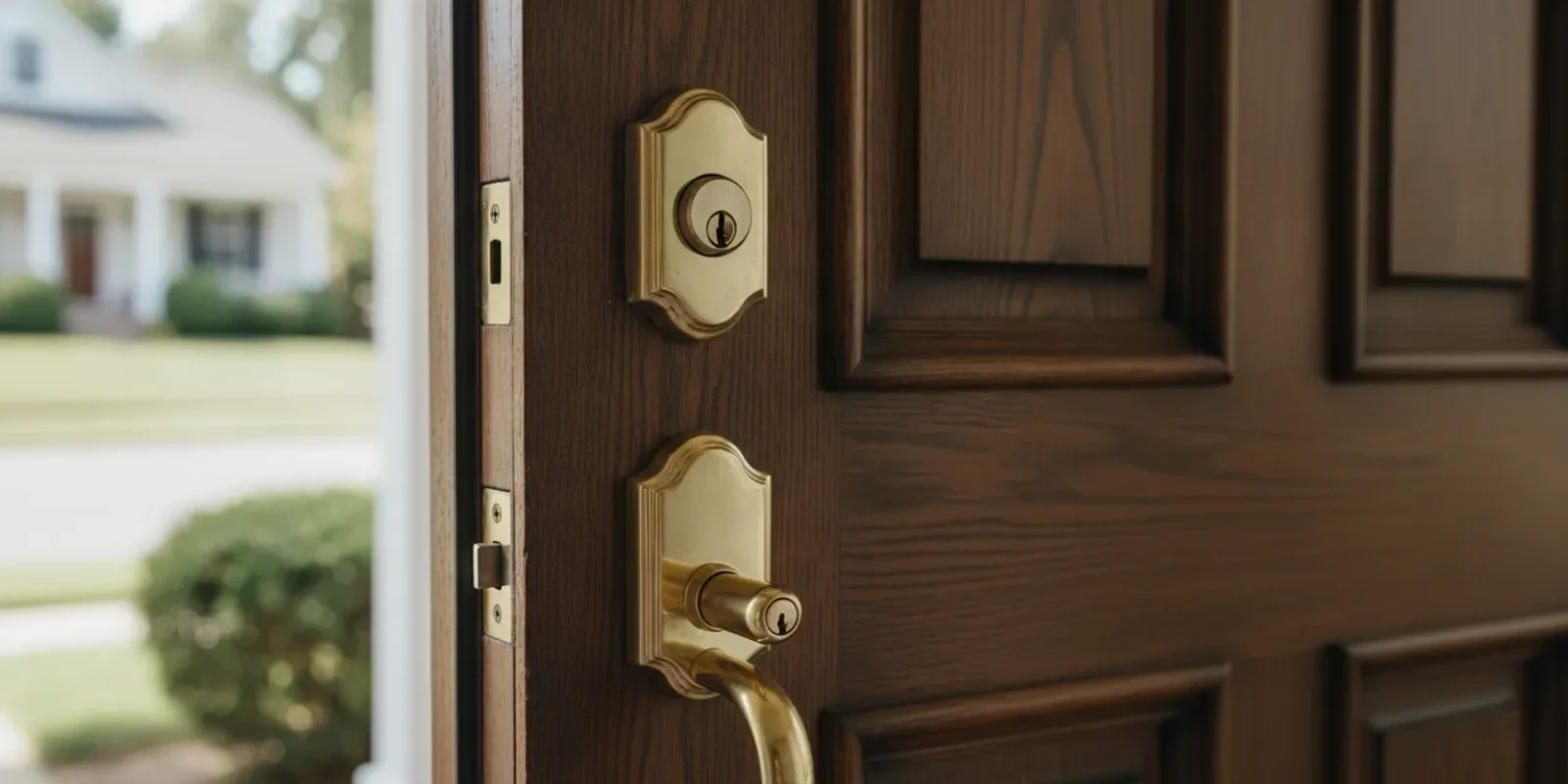
Types of residential door locks
Compare common lock styles by door location, security role, installation needs, and maintenance.