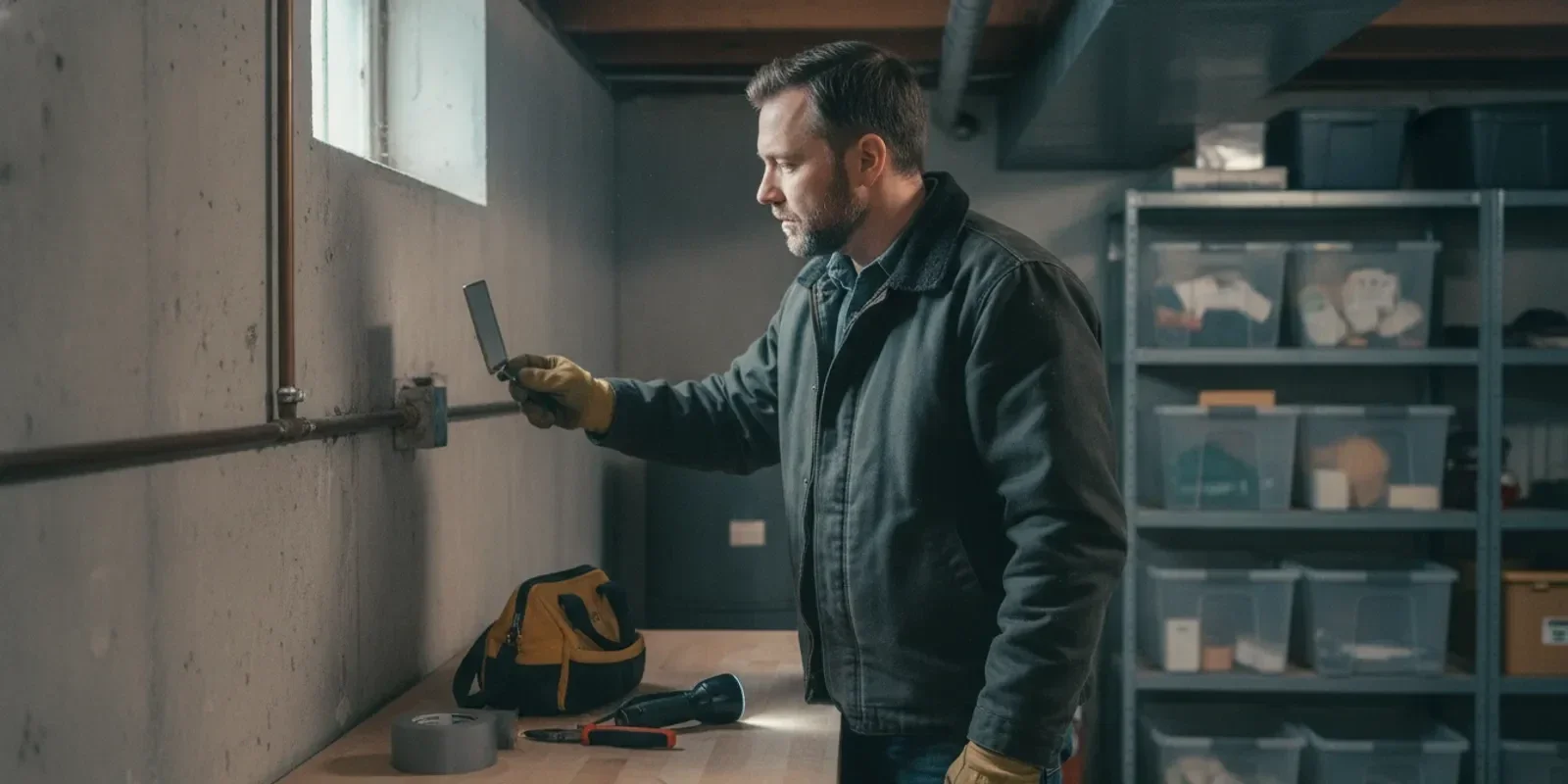
Winter Plumbing Maintenance in Pennsylvania: A Homeowner Checklist
Use this Pennsylvania winter plumbing checklist to protect exposed pipes, prepare a vacant home, spot leaks early, and respond safely to plumbing trouble.
Winter Plumbing Maintenance Checklist
Winter plumbing maintenance in Pennsylvania starts with a few practical checks: find vulnerable pipes, reduce cold-air exposure, and know what to do if a leak or loss of water appears. A little preparation can help you notice trouble sooner, especially in basements, garages, crawl spaces, and other areas that are colder than the rooms where you spend time.
Call for plumbing help or a free estimate
This checklist is for homeowners, landlords, and property managers in Pittsburgh, Butler, and nearby Pennsylvania communities. It focuses on prevention and safe first steps. It does not replace a plumber’s inspection, and it does not mean every pipe problem can be handled as a do-it-yourself project. For repair or fixture-installation questions, see the company’s handyman services and ask whether the work you need is a fit.
Which pipes should you check before cold weather?
Start by locating water pipes that run through spaces with less heat or more exposure to outside air. Pipes inside an insulated, heated room are usually less exposed than those near an exterior wall, but the route of a pipe matters. Walk through the home and note where water lines enter, pass through, or leave the heated living area.
- Basements: Look near foundation walls, rim joists, small windows, and utility penetrations where cold air may enter.
- Garages: Check any water line running along a garage wall or serving a sink or other fixture in an unheated section.
- Crawl spaces: Identify pipes in areas with limited insulation or openings that let outdoor air in. Do not enter a crawl space if access is unsafe or the area is not meant for routine entry.
- Exterior walls: Pay attention to sinks, laundry hookups, and other fixtures placed against an outside wall. Open the cabinet doors occasionally during very cold periods so warmer room air can reach the pipes.
- Outbuildings and additions: A mudroom, enclosed porch, or other lightly heated space may need a closer look than the main part of the home.
- Outdoor faucets: Check that hoses are disconnected and consider whether the faucet and its supply line need seasonal attention.
Make a simple map or take a few reference photos of the pipe locations you can safely see. You do not need to remove panels or insulation to do this. If a pipe is hidden behind a wall, ceiling, or fixed enclosure, do not open the structure just to inspect it. Instead, watch for warning signs such as a damp patch, staining, a musty odor, or a change in water flow.
How can you reduce the risk to exposed pipes?
Prevention starts with reducing cold-air contact and keeping vulnerable areas reasonably warm. The right step depends on the pipe location, the home’s layout, and the manufacturer’s instructions for any materials you use. If you are unsure whether a pipe or fitting is safe to cover, ask a qualified professional rather than guessing.
- Seal obvious drafts. Look for gaps around foundation openings, utility lines, and basement windows. Use an appropriate sealing product for the location, and avoid blocking required ventilation or covering electrical equipment.
- Keep heat circulating. During cold spells, avoid letting a vulnerable area become much colder than the rest of the home. Keep interior doors open when that helps warm air reach a sink or pipe run.
- Open sink cabinets when needed. If a sink is on an exterior wall and the cabinet is packed with stored items, clear space around the pipes. During especially cold conditions, opening the doors can allow warmer indoor air to circulate.
- Use pipe insulation thoughtfully. Insulation can help reduce exposure, but it does not create heat or correct every draft. Check the product directions and do not cover leaks, damaged fittings, or equipment that needs access.
- Disconnect garden hoses. A hose left attached can affect the outdoor faucet and connected line during freezing weather. Follow the faucet manufacturer’s instructions for any shutoff or draining steps.
- Know where the main water shutoff is. Make sure adults responsible for the home can find it and can reach it without moving heavy storage. If you do not know how it operates, ask a professional to explain it before an emergency.
Avoid using an open flame, torch, or other high-heat device to warm a pipe. Do not use a space heater in a way that violates its instructions or creates a fire hazard. If a pipe seems frozen, treat it cautiously; heating the wrong area or applying intense heat can create additional risk. If you cannot safely identify the problem, call for professional guidance.
What should you do with a vacant home during winter?
A vacant home needs a plan because no one may be there to notice a dripping pipe, an unexpected temperature change, or a loss of heat. This can apply to a seasonal property, a home between tenants, or a house that will be empty during a trip. Decide in advance who will check the property and what that person should do if something looks wrong.
- Set a responsible check-in person. Give a trusted person access and a way to reach you. Explain where the main shutoff is and which areas deserve a visual check.
- Maintain safe heat. Do not turn the heating system off without understanding the risk to pipes and the home. Use the system’s instructions and seek professional advice about an appropriate setting for the property.
- Check doors and windows. Confirm that exterior doors and basement windows are closed securely, especially near plumbing runs.
- Look for signs of water. The person checking should look for new dampness, visible drips, staining, pooling water, or unusual odors in accessible areas.
- Keep access clear. Do not store boxes in front of the main shutoff, utility area, or the route to vulnerable pipes.
- Plan for an extended absence. If the home will be unattended for a long time, ask a plumbing professional about suitable precautions for its layout. Do not drain or shut down systems unless you know the correct process for that property.
For a rental, record the condition of visible plumbing before the vacancy and again during routine property checks. Keep notes about the date, location, and any change you observe. This is a practical record, not a substitute for repair: arrange an evaluation if you find moisture, a damaged fitting, or another concern. Landlords coordinating several types of work can also review this guide for Pittsburgh landlords.
How can you check for leaks before they become a bigger problem?
A quick visual check is useful when repeated consistently. Look under sinks, around toilets, near the water heater, at exposed joints, and around appliance connections that are visible and accessible. You are looking for changes, not taking apart plumbing.
Watch for these clues:
- Water droplets, dampness, or a growing wet area beneath a pipe or fixture.
- New discoloration, bubbling paint, peeling material, or a soft-looking surface near plumbing.
- A musty smell or unexplained dampness in a cabinet, basement, or utility area.
- A fixture that no longer works as expected, or a noticeable change in water flow.
- A water meter that appears to move when all water uses are off, if you know how to check it and can do so safely. A reading alone does not identify the source.
Do not ignore a small drip because it seems manageable. Put a container beneath it only as a temporary measure, keep the area clear, and arrange a repair. If water is close to electrical equipment, do not touch the equipment or step into standing water. Move away and contact the appropriate emergency service or a qualified professional for direction.
When the source is unclear, note where you first saw the water and whether it changes when a fixture is used. A photo can help explain the situation when you call. Avoid removing a fixture, cutting into a wall, or tightening a fitting if you are unsure what it connects to. A professional can assess whether the issue calls for a plumbing repair or another next step.
What should you do if a pipe may be frozen or leaking?
First, focus on safety and limit further water damage. A suspected frozen pipe may have no visible break yet, so avoid forcing valves or using aggressive heat. If a pipe has split and water is flowing, stopping the supply may reduce damage if you can reach and operate the main shutoff safely.
- Stay clear of electrical hazards. If water is near outlets, appliances, wiring, or a service panel, do not touch them or walk through the water. Get to a safe place and seek qualified help.
- Locate the source from a safe position. Look for visible water or frost on an accessible pipe. Do not remove wall or ceiling materials to chase a leak.
- Turn off the water if there is an active leak and you can do so safely. Use the main shutoff only if you know its location and operation. If you cannot reach it safely or are uncertain, call for help.
- Protect belongings without putting yourself at risk. Move items away from water if it is safe. Use towels or a container for a small, controlled drip, but do not enter an unsafe area.
- Call a professional. Explain what you see, where it is, whether water is still flowing, and whether the home has heat and water service.
- Keep the area available for assessment. Do not cover the leak or discard a damaged component before the professional has a chance to inspect it, unless immediate safety or cleanup requires otherwise.
If you suspect a frozen line but there is no active leak, do not assume it is safe to wait indefinitely. A blocked line may conceal damage. Ask a professional what to do next, particularly if more than one fixture has lost water or the affected pipe is hidden. For practical first steps on a plumbing concern, you can also read how to respond safely to a plumbing leak.
Call 724-996-1463 to ask about plumbing repairs
Which winter plumbing tasks belong to a professional?
Homeowners can handle basic observation, clearing stored items away from visible pipes, and noting changes. Repairs are different. A damaged pipe, recurring leak, frozen line, fixture problem, or plumbing system that needs to be drained or restarted may require a professional assessment. The safest approach is to describe the symptoms and ask what the next step should be rather than trying an uncertain repair.
Use this comparison to decide how to proceed. The table is a guide to the type of action, not a diagnosis of a particular home.
Situation guide
- Visible pipe in a chilly area, no damage or leak: Note its location, clear nearby clutter, check for drafts, and review safe insulation options. Ask for advice if the line is exposed to persistent cold or you are unsure how to protect it.
- Small drip at a visible connection: Keep the area clear, place a container only if safe, and record where it is dripping. Arrange a repair; do not rely on a container as a lasting fix.
- Water near electrical equipment or standing water: Move away; do not touch equipment or walk through the water. Seek immediate qualified assistance and follow emergency guidance appropriate to the hazard.
- Fixture stops working during cold conditions: Check for an obvious, safe cause, such as a closed cabinet blocking circulation; avoid force or high heat. Call if water flow does not return, multiple fixtures are affected, or you suspect a frozen or damaged pipe.
- Vacant property with no heat or uncertain pipe condition: Ask a responsible person to check accessible areas and confirm the home’s status. Get professional guidance before shutting down, draining, or restarting plumbing systems.
Pittsburgh Locks and More provides plumbing repairs and fixture installation as part of its handyman services. The team can discuss the issue and provide a free estimate; the work needed and the property details determine the appropriate next step. Learn more about handyman services for Pittsburgh-area properties, or check the service area to see whether your community is covered. The business is based in Butler and serves Pittsburgh and nearby communities within an approximately 60-mile radius; coverage and travel suitability can vary by job.
Call 724-996-1463 to discuss a plumbing repair
Frequently asked questions
Should I leave a faucet dripping during freezing weather?
That is not a universal fix. Whether it is appropriate depends on the plumbing layout and conditions in the home, and it does not protect every pipe or correct an underlying draft. Ask a plumbing professional for advice specific to your property rather than relying on a drip as your only preparation.
Can I use a space heater to warm a frozen pipe?
Do not place a heater where it violates the manufacturer’s instructions or creates a fire or electrical hazard. Never use an open flame or torch on a pipe. If you suspect a frozen line, seek professional guidance, especially if it is hidden, there is no water at multiple fixtures, or you see any sign of a leak.
Do I need to shut off the water when I leave for a winter trip?
It depends on the home, its plumbing, heating, appliances, and how long it will be empty. Shutting off a valve or draining a system incorrectly can cause other problems. Before an extended absence, ask a qualified professional what precautions fit your property and arrange for someone to check on it.
What details should I share when I call about a plumbing problem?
Describe the affected fixture or room, when the issue started, whether water is still flowing, and any visible moisture or damage. Mention if the property is vacant or has lost heat, and explain whether you can reach the main shutoff safely. Clear details help a professional understand the situation and discuss the next step.
Call for plumbing help or a free estimate
A careful winter check does not require opening walls or attempting uncertain repairs. Look for vulnerable areas, keep access clear, watch for changes, and get professional guidance when a pipe appears frozen, damaged, or unsafe to reach.