What should you do first when a drain slows or stops?
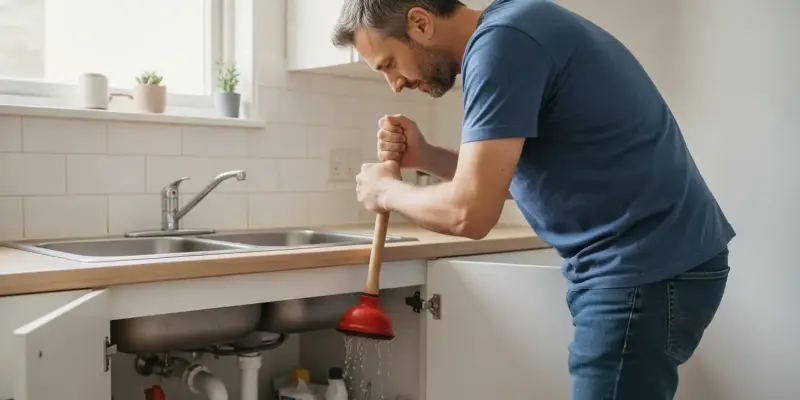
A clogged drain can turn an ordinary kitchen, bathroom, or workday into a frustrating cleanup. If you are wondering how to fix a clogged drain, start by limiting water use and identifying which fixture is affected before reaching for a tool or cleaner. A few simple steps may clear a small, local blockage, but recurring clogs, leaks, or several slow drains call for a more cautious plan.
Call for plumbing repair help or a free estimate
Stop running water into the affected sink, tub, or shower. This gives the drain a chance to empty if it is only partly blocked and reduces the risk of an overflow. If water is already near the rim, keep people away from the area and do not keep testing the drain by turning on the tap.
Look around the fixture before trying to clear anything. Note whether water is standing, draining slowly, or backing up. Check for a visible obstruction at the stopper or drain opening, and look beneath a sink for drips or dampness. Do not reach into standing water if there may be an electrical hazard nearby, and do not touch wet electrical equipment.
Next, consider the scope. Is one fixture affected, or are multiple sinks, tubs, or toilets draining poorly? One slow fixture can point to a local obstruction near that drain. Several affected fixtures, bubbling sounds, or wastewater backing up can indicate a problem farther along the plumbing. Those signs are a reason to stop do-it-yourself attempts and arrange qualified help.
If you rent or manage a property, notify the responsible property manager or maintenance contact promptly. In a business, tell the person responsible for the premises and keep customers or staff away from a wet or unsanitary area. A quick record of what happened, which fixtures are affected, and when it began can help the person handling the repair.
How can you tell what kind of clog you have?
Before choosing a method, distinguish a visible obstruction from a drain that is slow for an unknown reason. Hair and soap residue commonly collect near bathroom drain openings. Food scraps and grease can contribute to kitchen sink blockages. These are possible causes, not a diagnosis: a clog can also be farther down the line, and symptoms alone do not reveal exactly where it is.
- One slow sink or tub: The restriction may be near that fixture, especially if the other drains work normally.
- Water standing after use: Stop adding water and try only a low-risk method suited to that fixture.
- Several fixtures affected: Treat this as a possible shared drain or plumbing issue rather than repeatedly clearing each opening.
- Gurgling, sewage odor, or backup: Stop using connected fixtures and seek qualified plumbing assistance.
- Water leaking below a fixture: Do not continue plunging or running water; contain the area if safe and arrange repair.
Keep track of what is happening in nearby rooms too. For example, if a bathroom sink and tub both slow down at about the same time, mention that rather than reporting only the tub. A short note or photo of a visible leak can be useful, but do not remove panels or enter a confined area to investigate.
How can you clear a small, accessible drain blockage?
For a single fixture with no leak or sewage backup, begin with the simplest approach. Remove debris you can see at the opening without pushing it deeper. Wear gloves, use a flashlight if needed, and lift out a removable stopper only if it comes free easily and you know how to put it back. Avoid sharp tools and do not force a stuck stopper or trim piece.
Use a plunger made for the fixture
A plunger can help move a small obstruction. A flat-bottom cup plunger is generally intended for sinks and tubs; a toilet plunger has a projecting flange shaped to fit a toilet opening. Do not use a plunger if you have poured chemical drain cleaner into the fixture, because splashing the product can injure you.
For a sink, remove any loose drain cover or stopper that is designed to lift out. If the sink has an overflow opening, cover it with a damp cloth so pressure from the plunger is directed toward the drain. Add enough water to cover the plunger cup, set the cup firmly over the opening, and press gently at first to form a seal. Use controlled, steady strokes rather than violent force. Lift the plunger and see whether the water begins to drain. Stop if water leaks beneath the sink, a pipe shifts, or the fixture makes an unusual sound.
For a tub, the overflow opening can also affect plunging. Cover it with a damp cloth if accessible, and use a plunger that seals over the drain. Do not stand in deep or slippery water to do this. If you cannot form a seal or the drain remains blocked after a few careful attempts, move on to a safer assessment rather than applying more force.
Clean a removable drain cover or stopper
Hair and residue may be caught just below a bathroom drain cover. If the cover or stopper is meant to be removed without tools, lift it carefully and clear only the material that is readily accessible. Put the parts somewhere safe and remember their orientation. If a screw, linkage, or unfamiliar mechanism holds the assembly in place, leave it installed rather than risking damage or creating a second repair.
Use a small plastic drain-cleaning tool only according to its instructions and only where it can be inserted and removed without force. It may bring hair back toward the opening. Do not shove a tool deep into the pipe, twist aggressively, or use a sharp object that could scratch or puncture plumbing. Dispose of removed material in the trash, not back into the drain.
Try warm water only when appropriate
If there is no standing water, no leak, and the fixture manufacturer does not advise against it, a modest amount of warm tap water may help rinse away light, soft residue. Avoid pouring boiling water into a drain: heat can damage some materials and fixtures, and boiling water can splash and burn. Warm water is not a solution for a solid obstruction, a pipe problem, or a drain that backs up repeatedly.
Do not treat a home remedy as a guaranteed fix. Baking soda and vinegar, for instance, may fizz, but that reaction does not establish that a blockage has cleared. If you use any product, follow its label and never combine it with another cleaner. When in doubt about a material, fixture, or product, skip the experiment and ask for qualified guidance.
What should you avoid when trying to fix a clogged drain?
Many drain problems become more difficult when people use a forceful or incompatible method. A cautious first attempt is better than escalating blindly. Stop if a method does not work promptly, if the blockage returns, or if you see signs of a leak or backup.
- Do not mix drain products. Never combine chemical cleaners with each other, bleach, or other household products. The resulting fumes or reactions can be dangerous.
- Do not plunge after adding a chemical cleaner. Pressure can splash corrosive liquid onto skin, eyes, or nearby surfaces. Follow the product label and seek professional advice if the drain remains blocked.
- Do not keep pouring cleaner into a blocked drain. A product may remain pooled in the fixture or pipe and make later work more hazardous. Tell a repair professional what was used and when.
- Do not force a wire hanger or sharp object into the pipe. It can scratch a fixture, damage a pipe, or push the obstruction farther in.
- Do not force a drain snake or powered auger. These tools require judgment about the drain, the tool, and the obstruction. Forcing one can damage plumbing or injure the person using it.
- Do not dismantle a corroded, leaking, or unfamiliar trap. Water can spill, fittings can break, and reassembly may not stop a leak.
- Do not keep running water to test a drain that is backing up. Additional water can worsen an overflow or spread contaminated water.
If you have already used a chemical product, do not try to neutralize it with another substance. Keep others away from the fixture, ventilate the area if you can do so safely, follow the label's instructions, and tell the person you contact exactly what product was used. This detail helps them decide how to approach the drain safely.
When is a clogged drain more than a simple blockage?
A clog deserves professional attention when basic, careful steps do not work or the same drain blocks again soon after clearing. A short-lived improvement can mean the obstruction was only partly moved. Repeated plunging or repeated product use does not address the underlying cause and may make repair harder.
Call for qualified plumbing help if multiple fixtures are slow, water backs up into another fixture, a toilet bubbles when a sink drains, or you notice a persistent sewage odor. A leak under a sink, around a tub, or at an exposed pipe also needs attention, especially if the damp area grows or the cabinet or floor begins to swell. Stop using the affected fixture until the source is assessed.
Some issues should be handled promptly because the water itself can create a hazard. If an overflow is near electrical equipment, keep clear and contact the appropriate emergency service for an immediate safety risk. If water is spreading through the home or business, stop using the fixture, protect people from the wet area, and contact a qualified repair provider. Do not assume every plumbing problem is safe to wait for a convenient time.
For a single ordinary clog without an active leak or backup, you can plan a repair appointment around the property's needs. If it is a business or rental, consider whether the affected fixture is essential for staff, tenants, or customers and communicate that clearly. A description such as “the kitchen sink is slow, but the bathroom drains normally” is more useful than simply saying “the plumbing is blocked.”
How should you prepare before asking for plumbing repair?
A clear description helps a service provider understand the situation and discuss next steps. Before you call, note the fixture, when the problem began, and whether it is completely blocked or only slow. Say whether other drains are affected and whether there is a leak, odor, gurgling, or water backing up. Mention any products or tools already used.
If water is standing, avoid removing items from a cabinet unless you can do so without touching contaminated water or disturbing a leaking pipe. Keep the area accessible and move stored goods away from dampness when safe. For a business, assign someone to keep the area clear and let staff know which sink, restroom, or service area should not be used.
Property managers can make the handoff easier by asking the occupant to describe the timeline and share a photo of visible water damage. Record which units or fixtures are affected, whether the issue has happened before, and any temporary steps taken. Do not ask a tenant to use a chemical cleaner or dismantle plumbing as a condition of reporting the problem.
Pittsburgh Locks and More provides plumbing repairs and fixture installation as part of its handyman services. You can read about the company's handyman services and its guide to safe first steps for plumbing leaks. Describe the specific issue and location when asking whether the job is a fit. The company is based in Butler, Pennsylvania, and serves Pittsburgh and surrounding communities within an approximately 60-mile radius; travel and response circumstances can vary by location.
Check the service area if you are unsure whether your property is within the usual coverage region. The team aims to be punctual, clean, friendly, efficient, and professional. Plumbing work is quote-based; ask for a free estimate and explain what you have observed before work is arranged.
Call 724-996-1463 to describe the drain problem and request a free estimate
How can you reduce the chance of another clog?
Everyday habits can reduce the amount of material entering a drain, although no routine prevents every blockage. In the kitchen, scrape food scraps into the trash or compost rather than washing them into the sink. Avoid pouring cooking grease or oil down the drain; let it cool and dispose of it appropriately. Use a sink strainer where practical and clean it regularly.
In bathrooms, remove hair from a strainer or drain cover before it is washed into the pipe. Keep wipes, cotton swabs, paper towels, hygiene products, and other non-flushable items out of toilets. Even products labeled as flushable can contribute to plumbing problems, so use the toilet only for waste and toilet paper.
Pay attention to changes in how a fixture drains. A sink that becomes slower over several days is easier to investigate before it overflows. Avoid relying on repeated chemical treatments as routine maintenance. If the same fixture clogs often despite careful use, record how frequently it happens and ask a qualified professional whether a deeper issue should be checked.
For homes, businesses, and rental properties, a small maintenance note can help identify patterns. Record the fixture, date, symptoms, and any repair or cleaning performed. If the problem returns, that history helps distinguish a one-time obstruction from a recurring issue. Keep the notes factual; do not assume a cause before it has been assessed.
Call 724-996-1463 for plumbing help or a free estimate
Frequently Asked Questions
Should I use a chemical drain cleaner first?
It is usually safer to start by stopping water use, checking for a visible obstruction, and considering a suitable plunger. Chemical products can pose a risk if they splash or are mixed with other cleaners, and they may complicate later plumbing work. If you use one, follow the label exactly, never combine products, and tell a repair professional what was used.
Can I use a plunger on a slow sink?
You can try a suitable plunger for a single slow sink when there is no chemical cleaner in the drain, leak, or backup from another fixture. Cover the overflow opening if the sink has one, form a seal, and use controlled strokes. Stop if the plumbing shifts, leaks, or the drain does not improve after a few careful attempts.
What if several drains clog at once?
Several affected fixtures may point to a shared drain or a problem beyond one fixture. Stop adding water to affected drains, do not keep plunging or pouring products into them, and contact a qualified plumbing repair provider. Note which fixtures are involved and whether there is gurgling, odor, or backup.
Can I take apart the pipe under my sink?
Only consider removing a trap if it is in good condition, you understand how it is assembled, and you can safely contain water and reassemble it. Do not take apart a corroded, leaking, or unfamiliar fitting, and do not proceed if chemical cleaner is present. If you are unsure, leave the plumbing intact and arrange help.
When can I call Pittsburgh Locks and More?
You can call to discuss a plumbing repair or fixture installation and ask for a free estimate. The stated service hours are 7:00 AM to 11:00 PM, seven days a week; the business does not describe itself as a 24-hour service. Explain your location and symptoms so the team can discuss whether the job is appropriate and how to plan it.
A careful first response can limit mess and make the repair handoff clearer. Stop if a clog resists simple methods, affects multiple fixtures, or comes with a leak or backup, and get qualified help rather than forcing the drain.
Add comment
Comments