What should you decide before planning bathroom tile installation?
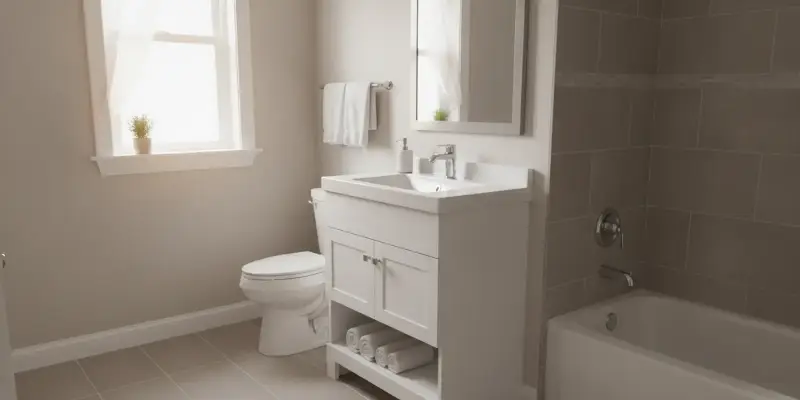
Planning tile installation Pittsburgh homeowners can feel confident about begins before anyone chooses a pattern. The room’s purpose, the condition of its existing surface, the tile format, and the work included in the scope all affect the project. A few practical checks help you describe what you need, understand the decisions ahead, and ask better questions before booking.
Call for help or a free estimate
Start by naming the exact area you want tiled. “The bathroom” can mean a floor, a shower surround, a backsplash, a small section near a fixture, or more than one surface. Those areas have different dimensions, edges, access needs, and preparation considerations. Write down each surface separately instead of grouping several tasks under one general description.
Next, describe what you want the room to do for you. A busy household bathroom may need a finish that is straightforward to clean and works with frequent use. A guest bath may have different priorities, such as coordinating with existing fixtures or updating the appearance without changing the whole room. A rental unit may call for a practical, durable choice and a clear plan for access around residents and other turnover work.
Before asking for an estimate, you can make a simple project note with:
- The address or community where the work is located.
- The specific surface or surfaces to be tiled.
- Approximate width and length, plus unusual corners or alcoves.
- Whether the surface is new, already tiled, or covered by another finish.
- Visible cracks, loose areas, stains, or possible moisture concerns.
- Your preferred general look, tile size, and timing, if known.
These are starting details, not a substitute for an on-site assessment. You do not need to settle every material choice before the first conversation. A clear description gives the installer something useful to discuss and helps identify what still needs a closer look.
How do you define the work area accurately?
Measure the part of the room you expect to cover, but keep the measurements approximate unless you are confident in them. For a simple rectangular floor, note the length and width. For an L-shaped room, record the dimensions of each section or make a rough sketch. Mark doorways, a tub, a vanity, a toilet, built-in storage, and any other features that interrupt the surface.
Photographs can make those notes more useful. Take one picture from the doorway to show the whole room, then closer views of corners, transitions, fixtures, visible damage, and the existing tile or floor. Use good lighting and avoid placing objects over a spot you are trying to show. For a property manager coordinating work remotely, ask someone with access to take both room-wide and detail photos.
Do not treat a rough area measurement as a final tile order. The finished layout, cuts, pattern, and room geometry affect the amount of material needed. Ask who will confirm the quantity and whether the customer or the installer is responsible for obtaining the tile. Agree on that before materials are purchased so there is no confusion about selection, availability, or delivery.
How can you assess the existing bathroom surface?
Before focusing on the new finish, look for signs that the underlying surface needs attention. Walk the accessible floor and notice any movement, soft spots, uneven areas, or loose pieces. Look at corners, edges, and locations near plumbing fixtures for visible stains or recurring dampness. Note what you see; do not try to diagnose the cause from appearance alone.
A stable, suitable base matters to the work. The preparation required depends on what is there and its condition. Existing material may need removal, repair, or other preparation, and the installer needs to assess the site before confirming what is appropriate. Do not assume that a new finish can simply cover a problem or that any particular preparation is included in a preliminary estimate.
If you suspect ongoing moisture, mention it before scheduling. Covering a visible symptom without understanding the source can leave an underlying issue unresolved. Avoid disturbing damaged material just to investigate it yourself. Share the location and what you have observed, then ask what needs to be checked and whether a separate repair should happen first.
For care after the project, Pittsburgh Locks and More also provides tile and grout cleaning and repair. Its tile and grout maintenance checklist is a useful companion for thinking about upkeep once the work is complete.
How should you choose tile for the room?
Tile selection is not only a color decision. Consider the intended surface, the room’s everyday use, the look you want, and the amount of routine cleaning you are comfortable with. Ask the installer whether a product you are considering suits that application. Product labels and samples can help guide a discussion, but the project conditions still need to be considered.
Compare samples in the actual room if possible. A shade can appear different under bathroom lighting than it does in a showroom or on a screen. Set a sample beside the vanity, wall finish, and other materials that will remain. Look at it in the morning and evening if the room has changing natural light. If the project is a rental or commercial space, consider how the finish will look alongside the fixtures and surfaces that will stay in place.
Size and pattern can change how the room reads. Larger pieces may create a different visual effect from small formats, while the direction and repeat of a pattern draw the eye in different ways. Grout joints also contribute to the final appearance and cleaning routine. Discuss grout color and joint appearance with the installer instead of assuming that a small sample shows the full effect across the room.
- Color: View a sample beside existing fixtures and finishes, not in isolation.
- Format: Ask how the preferred size and pattern relate to the shape of the room.
- Surface suitability: Confirm that the selected tile is intended for the surface in question.
- Grout: Discuss how the color and joint pattern will look and what care may be needed.
- Edges: Identify how exposed edges, thresholds, and transitions will be handled.
Keep the product name, size, finish, and any other identifying information together once you narrow the options. If you are choosing among several candidates, take photos of their labels and keep the samples marked. That small step can prevent confusion if the project involves multiple rooms or if an order is placed later.
What should you decide about layout and finishing details?
A layout plan addresses more than the center of the floor. Ask where the pattern is expected to begin, how it will meet the walls, and where cut pieces may fall around fixtures or in doorways. The installer may recommend a different starting point after seeing the room. The purpose of discussing the layout early is to understand the approach and flag preferences before work begins, not to dictate a technical method without knowing the site.
Transitions deserve attention because a tiled area often meets another floor or a doorway. Identify every boundary and ask how the edge will be finished. Include thresholds and exposed corners in the scope conversation. In a compact bathroom, small layout choices can be conspicuous; in a larger room, the relationship between the main pattern and the doorway may matter more. Make a note of any edge that you especially want to discuss.
If the bathroom includes a shower or tub surround, separate those surfaces from the floor in your planning notes. List which walls or sections you mean, and point out fixtures, niches, or existing trim that could affect the work. Ask the provider to confirm what is covered in the estimate. A project description should make clear which surfaces are included rather than relying on a broad phrase such as “tile the bathroom.”
What preparation may be included in the project?
Preparation varies according to the room, the existing finish, and the condition of the surface. Work may involve removing existing material, addressing the base, protecting adjacent finishes, or planning around fixtures. These are questions to clarify, not assumptions about what every tile project requires. Ask the provider to explain the preparation included in the proposed scope and what would be handled separately.
Ask how the project will be handled if a concealed issue becomes visible after work begins. You can request a clear process: pause the affected work, explain what was found, discuss available next steps, and agree on any scope change before proceeding. This helps everyone avoid a surprise decision made without a shared understanding of the problem or its effect on the work.
Make a short list of items that might need to move, such as toiletries, bath mats, towels, and loose storage. Ask whether fixtures or furniture need to be removed by you or are part of the work. Protecting nearby belongings and clarifying responsibility in advance makes the work area easier to prepare. Do not take apart plumbing or fixed components unless the provider has asked you to do so.
For broader property tasks that might be coordinated with a tile project, review the company’s handyman services. If you are preparing a rental between occupants, its rental turnover repairs checklist can help organize related work without treating every item as part of the tile scope.
How can you make the scope of work clear?
A scope describes the agreed work in plain terms. Before booking, make sure the conversation distinguishes the areas to be tiled, the preparation expected, material responsibilities, finishing details, and any exclusions. If you are comparing estimates, compare these items rather than looking only at a short project label. Two descriptions that both say “bathroom tile” may cover different tasks.
Use a written checklist or ask for the estimate to identify the following:
- Which floor, wall, backsplash, or other surfaces are included.
- Whether existing material will be removed and how that is treated in the scope.
- What surface preparation is included, and what conditions could require a separate discussion.
- Who selects, orders, and supplies tile, grout, and related materials.
- How edges, transitions, and agreed layout preferences will be addressed.
- Whether moving items or fixtures is included or is the customer’s responsibility.
- How changes or newly discovered conditions will be reviewed and approved.
- What care guidance and any closeout details will be provided when the work is done.
Do not assume demolition, fixture removal, repairs, or material delivery are included unless the provider confirms them. If you have a particular concern—such as protecting a nearby finished surface or keeping a doorway clear—state it early and ask how it fits the plan. Clear expectations are especially helpful when several people are coordinating the project.
What questions should you ask before booking?
A useful estimate starts with a review of the actual job. Ask whether the provider needs to see the room before confirming the scope, and share your photos and measurements as helpful context. Then ask questions that connect directly to the decisions you need to make:
- What do you need to inspect before confirming the work?
- Which preparation tasks are included in the estimate?
- Who is responsible for selecting and obtaining the materials?
- How will the layout, edges, and transitions be discussed?
- What should I move or prepare before the scheduled work?
- How will you contact me if an unexpected condition changes the scope?
- What affects the project schedule, and when can the room be used again?
- What care instructions should I follow after tile and grout work?
Listen for direct answers about what is known and what must wait until an inspection. A responsible planning conversation does not need to promise a schedule before the surface and materials are understood. Write down the answers and confirm any decisions that affect the scope before the start date.
Call 724-996-1463 to discuss your tile project
How should Pittsburgh-area customers plan timing and access?
Tile work affects use of the room, so ask about the expected sequence and when the space may be available again. The schedule depends on the project details, preparation, materials, and what the existing surface reveals. Avoid arranging dependent work so tightly that a change in one task disrupts everything that follows. Allow room to coordinate materials and any separate repairs that need to happen first.
Before setting a date, decide how people will use the rest of the home or property while the bathroom is being worked on. If there is another bathroom, note whether it is available to the household. If not, discuss access and expectations with everyone who uses the space. For a business or rental, notify occupants, coordinate entry, and identify any times when the work area must remain clear.
Keep pets and children away from the work area. Remove personal products and loose objects, and decide where the team can place materials or tools. If parking, building entry, stairs, or restricted access could affect arrival, provide those details before the appointment. For a property manager arranging access from another location, share a reliable contact method and identify who can answer questions on site.
Location matters when arranging service. Pittsburgh Locks and More is based in Butler and serves Pittsburgh and surrounding Pennsylvania communities within an approximately 60-mile radius; travel farther may be considered for suitable jobs. Availability and timing depend on the location and job. You can check the Pittsburgh-area service information and provide your community when you call so the team can discuss the request.
How can homeowners and property managers plan differently?
A homeowner may be able to make finish decisions directly and adjust the room around the work. A property manager often needs to coordinate access, occupant communication, approval, and other maintenance at the same time. The basic questions are similar, but planning responsibilities should be clear before the appointment.
For a homeowner, gather the household’s preferences in advance. Decide which choices are firm and which are flexible, and keep samples or product information in one place. If someone else will approve changes while you are away, make sure the installer knows who can make that decision and how to reach them. This is particularly important if the work could reveal a condition that changes the planned scope.
For a rental or commercial property, provide the unit or room identifier, access instructions, occupant contact process, and any restrictions on work hours. Confirm who is authorized to approve a change and whether other repairs are being scheduled. A short written scope makes it easier to coordinate the tile work with painting, fixture updates, or a turnover checklist. Do not assume that one provider or one estimate includes all those separate tasks.
In either case, identify the priority: a particular finish, a specific access window, minimal disruption, or coordinating with other work. Trade-offs are easier to discuss when the priorities are explicit. For example, if the chosen tile is not readily available, ask what alternatives fit the project rather than changing the schedule or material without agreement.
What should you avoid when planning bathroom tile?
Do not cover a suspected moisture issue or unstable area simply to keep a preferred date. Do not order materials solely from a rough floor measurement, and do not assume that a photograph is enough to confirm the surface condition. Share what you can observe, then allow the provider to assess what the project requires.
Avoid choosing tile from a small screen image alone. Samples viewed in the room give you a better sense of color beside your existing finishes. Avoid assuming that the estimate includes removal, repairs, fixture work, or a particular edge detail unless those items are listed or confirmed. If the description is unclear, ask for it to be made specific before booking.
Finally, do not schedule follow-on work based on an unconfirmed completion date. Ask how the sequence could change if preparation takes longer or materials are delayed. A realistic plan allows the provider to explain uncertainties and gives you a chance to coordinate the household, tenants, or other trades without relying on a guess.
Call for help or a free estimate
Frequently Asked Questions
Do I need to choose tile before asking for an estimate?
No. A general idea of the style, room use, and surfaces is enough to begin the conversation. You can ask when the material choice needs to be final and who will be responsible for ordering it. If you already have a sample or product details, share them so suitability and availability can be discussed.
What information should I provide when I call?
Share the project location, the surfaces you want tiled, approximate dimensions, photos, and any visible damage or moisture concerns. Mention whether the room is occupied, whether access is restricted, and your preferred timing. You do not need to diagnose the surface or decide the complete layout before contacting the provider.
Can you tell from a photo whether the existing surface is ready?
A photo can show visible details and help explain the project, but it does not necessarily reveal the full condition of a surface. Share images as a starting point and ask what needs to be inspected in person before the scope is confirmed.
How long does bathroom tile installation take?
Timing depends on the size and condition of the area, preparation, material availability, and the agreed scope. Ask for a project-specific schedule after the work area has been reviewed. Also ask when the room can be used again rather than assuming that the installation date alone answers that question.
Can Pittsburgh Locks and More provide an estimate?
Yes. The company provides free estimates. Call with your location and a description of the bathroom and the work you have in mind to discuss arranging one. Pittsburgh Locks and More provides tile and grout installation, repair, and cleaning as part of its handyman services.
Thoughtful planning gives you a clearer view of the materials, preparation, access, and scope before work begins, so you can make an informed decision about your bathroom tile project.
Add comment
Comments